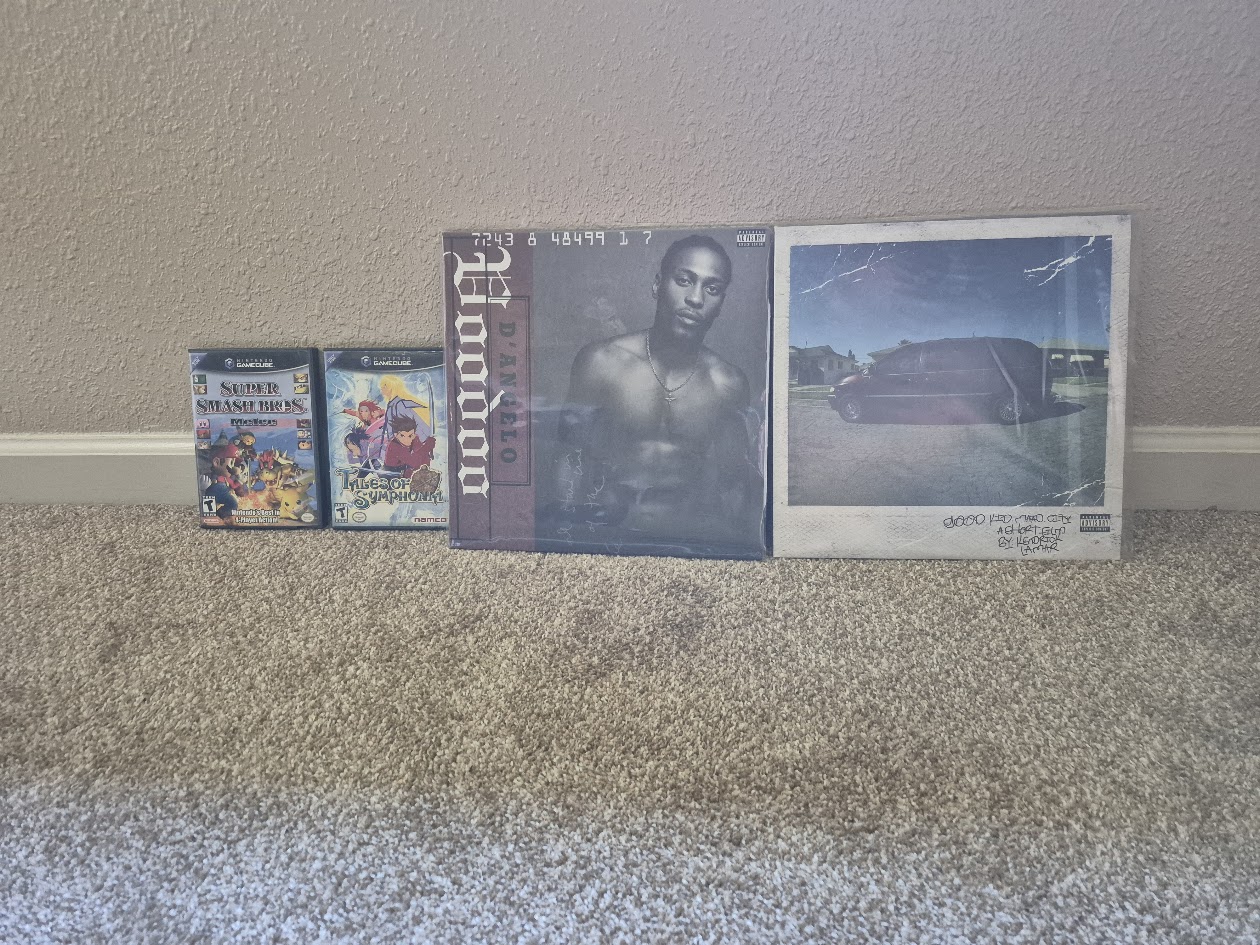
With an internet connection required to operate just about any piece of technology purchased in 2025, tech from the past has emerged with a new, comforting value.
Just under two years ago, I was looking to buy a small 13-inch TV to have on my nightstand that had a basic HDMI output to connect a single device to, mostly to watch late-night games and unwind before bed.
What I thought would be a simple trip to Best Buy for a common item was a long search through online sellers and other tech retailers for an item that I didn’t even realize was completely obsolete.
The change happened seemingly overnight in front of everyone’s eyes, as a brief period of “smart” TVs being a luxury turned into a standard feature that often feels unnecessarily inconvenient and an extension of surveillance we’re already increasingly subjected to.
While I did eventually come across a 13.3-inch TV on eBay for around $60, the same item has risen a bit in price and isn’t easily found anywhere but the longtime online auctioneer.
The purchase ended up being one I was and am incredibly happy with, as I use it daily for a variety of purposes, none of which require the TV itself to be connected to the internet. Yet this ubiquity of the internet goes far beyond televisions as well, and you likely don’t need me telling you to realize it.
This is particularly apparent in the world of gaming, which feels remarkably distant from what I grew up with as a kid. As is the case with all media in today’s landscape, it feels more and more difficult to feel like you legitimately own something if it’s purchased digitally, with many video games not even giving you that feeling if you buy a physical copy.
Almost all physical games purchased from the eighth and ninth (current) video game generations still require an extensive download upon placing the disc or cartridge in the console, a far cry from a decades-long time period of placing a game into a console and being able to play within mere seconds.
Though there are unquestionably plenty of gamers who view at least elements of this as a positive, as games can be continually improved throughout a work’s lifespan, there is certainly something to be said for the appeal of simply owning a completed work and having that for as long as you want.
While none of these aspects to gaming or media in general are particularly new as streaming platforms have dominated music, television and film for well over a decade, today’s digital and physical media landscape feels distinct from even five years ago, when my wife and I began our physical media collection.
Of course, it’s far from doom-and-gloom depending on how you look at it. Despite some unquestionably negative environmental impacts, the vinyl revival has been in full swing for well over a decade and has continued to reach new heights in the 2020’s. Sales of CDs, which were the dominant form of music media for over two decades, have begun to rebound after years of decline as well.
The conceited public interest in seeking out physical media coinciding with an increasingly digital world is certainly no coincidence – those young and old alike yearn for an era they either miss or wish they got the chance to experience and know better.
There’s no question that the COVID-19 pandemic launched a worldwide interest into escapism and kickstarted a reimagining of hobbies for people across the globe, with much of that escapism for many revolving around exploring the past.
Far beyond our retro video game and music collection, nostalgia has dominated the pop culture landscape in an unprecedented way during the 2020’s. From a laundry list of video game remasters to sitcom reboots and reunion tours, a world growing more unstable by the day is hungry for a reminder of a time where it didn’t quite feel like that.
Beyond just soaking in these nostalgic events and further emptying pockets, it should also serve as a time for those jumping in to think about what is it really that they miss about the time they’re looking to be reminded of.
Everyone is likely to have wildly different and deeply personal answers when considering what is missed most, but it also feels relatively simple to me when looking at my collection – it’s a piece of continuity and stability that is in my control.
Though just about anyone can download emulators and play essentially any video game from the past 40 years, having a corner in our apartment where it’s always 2006 is extremely comforting when zooming out and remembering the chaotic surroundings in today’s world.
While overall access to many shows, movies and games may have improved and feel easier in the digital world thanks to streaming platforms, emulators and services like Xbox Game Pass and Nintendo Switch Online, it’s still quite finite despite the monthly payments doled out in multiple directions.
Shows and movies are routinely removed from streaming services and compatible software becomes obsolete all while downloadable content, other add-ons and sometimes entire games simply vanish from digital existence.
It’s hard to not see a bit of a dystopian aspect into paying a montly fee for loads of content you can access but never own, as opposed to what was standard practice for many decades – simply going to the store, paying for a product, and then actually owning it for good.
Though there’s essentially no hope that video games will return to an era of purchasing a completed product and being able to play it right away on day one, fans of older games, movies and TV shows aren’t exactly trapped – after all, these things do still exist.
Those who own a modern PlayStation or Xbox are already in luck with a built-in DVD and Blu-ray player, while the seemingly endless price hikes of retro video games has started to subside after a boom at the start of the COVID-19 pandemic.
Getting a “dumb” TV may be the toughest product to find for those looking to technologically downgrade, but even by just reverting to physical media, there is a measurable difference – you actually own the content.
In a time where even the things that are supposed to enrich and relax us often frustrate us instead, creating a small technological time capsule within your living space can help one achieve something that would have sounded completely ridiculous just a decade ago: disconnecting from technology with technology.
Leave a Reply