Back before the days of widespread digital download, developers and console manufacturers alike focused on dominating the store shelves during a system’s lifespan – constantly battling each other for exposure and floor space in stores across the world.
As a 30-year-old who grew up in the midst of three-way console wars between Sony, Microsoft and Nintendo, any trip inside a Best Buy or Circuit City made these fierce sales competitions all the more apparent.
You never knew which game was going to be featured on the in-store kiosk that day, and the console that appeared to be prevalently on display within the store always seemed to rotate to correspond with whatever major game was coming out at the time.
With consoles typically experiencing a lifespan of around five-to-eight years, the best chance for a console to establish a flow of steady sales is to have a potent slate of launch titles – most of which can help carry a console’s sales for much of its lifespan, as seen in the case of Super Mario 64 with the Nintendo 64.
Yet even then, a stream of high-profile releases is the best way to ensure that sales don’t crater after a strong start, a fate met by the Sega Dreamcast that was made worse by the launch of the PlayStation 2, ultimately knocking SEGA out of the console industry.
Although most gamers buy a new console within a year of its release, later game releases can help provide a significant rejuvenation in sales – much in the way that Sony and Microsoft are experiencing at this moment with the release of Grand Theft Auto VI – around six years after the two companies released the PlayStation 5 and Xbox Series X/S, respectively.
With that said, it’s almost always a game released within the first 18 months of a console’s lifespan that ends up going down as the best-selling game for the system, with later releases often serving as meaningful sales boosts towards the end of a console’s lifespan.
Perhaps the most noticeable example of this was the 2009 release of New Super Mario Bros. Wii, a game that helped propel holiday sales of the console three years after its initial release, with the game itself ultimately selling over 30.3 million copies to make it the fourth-best selling game on the system.
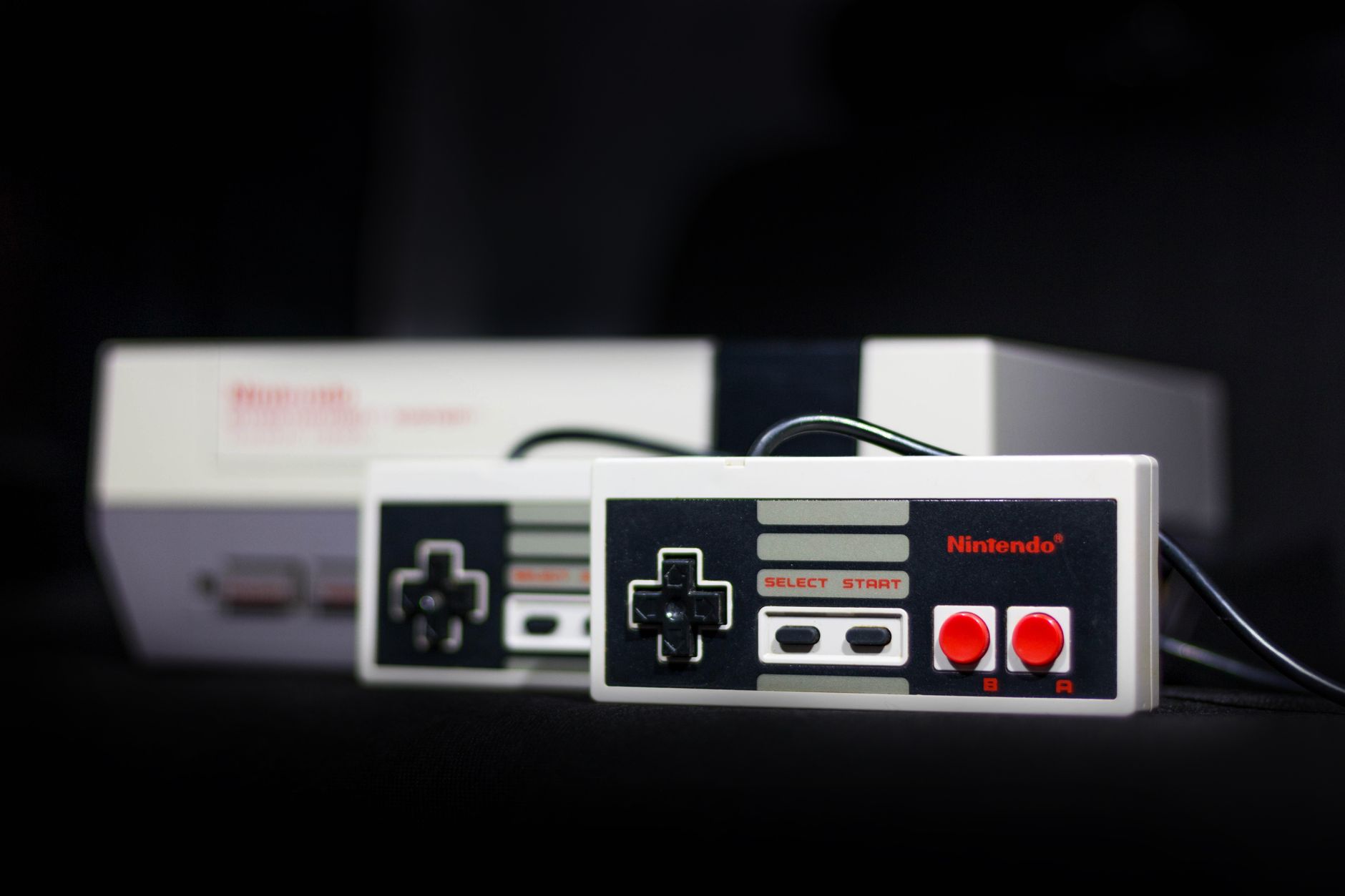
Excluding the technically still active PlayStation 4, Xbox One and Nintendo Switch, below is a look at the best-selling video games for major home consoles between the third and eighth generations – beginning with the mid-1980’s release of the Nintendo Entertainment System.
Consoles that came packaged with a launch title at release, such as Super Mario Bros. for the NES and Wii Sports for the Wii, will be listed alongside the best-selling non pack-in game at launch for the applicable system.
More detailed lists and sources can be found on Wikipedia’s landing page for best-selling video games of all-time.
Nintendo Entertainment System (NES)
Super Mario Bros.: 40.24 million units (pack-in at launch)
Super Mario Bros. 3: 18 million units
Super Nintendo Entertainment System (SNES)
Super Mario World: 20.61 million units (pack-in at launch)
Super Mario All-Stars: 10.55 million units
SEGA Genesis
Sonic the Hedgehog: 15 million units
Sony PlayStation
Gran Turismo: 10.85 million units
Nintendo 64
Super Mario 64: 11.91 million units
SEGA Saturn
Virtua Fighter 2: 2.5 million units
Sony PlayStation 2
Grand Theft Auto: San Andreas: 17.33 million units
Nintendo GameCube
Super Smash Bros. Melee: 7.41 million units
Microsoft Xbox
Halo 2: 8.46 million units
SEGA Dreamcast
Sonic Adventure: 2.5 million units
Nintendo Wii
Wii Sports: 82.9 million units (pack-in)
Mario Kart Wii: 37.38 million units
Sony PlayStation 3
Grand Theft Auto V: 29.52 million units
Microsoft Xbox 360
Kinect Adventures!: 24 million units
Nintendo Wii U
Mario Kart 8: 8.46 million units
Leave a Reply