No matter how popular a video game console is, there comes a day when its successor is more financially viable – and it no longer makes sense to produce games for the system.
November 2026 is one of the biggest months for video games in recent memory, with scores of gamers diving into the remake of Legend of Zelda: Ocarina of Time ahead of the heavily anticipated release of Grand Theft Auto VI later this month.
The hype surrounding both titles certainly felt quite a bit different, with one being an upscaled remake of a 28-year-old game, while the other has been talked about ad nauseum in gaming circles essentially since the initial release of Grand Theft Auto V a whopping 13 years ago.
Initially released for the PlayStation 3 and Xbox 360 in September 2013, the game has since made its way onto two more generations of consoles – all before the release of its successor this year. GTA V was ported to the PlayStation 4 and Xbox One in November 2014 before releases on Windows (April 2015) and PlayStation 5/Xbox Series X/S (March 2022).
The new title is slated for a launch day release for PlayStation 5 and Xbox Series X/S on Nov. 19, with a Windows version likely to follow at some point.
The longevity of GTA V and its move across generations of consoles speaks to the timelines that these consoles exist on – usually carrying the mantle for their company as the main option – ranging anywhere from five years (in the case of the GameCube) to closer to a decade, with the original Nintendo Switch having over eight years of exclusivity.
However, a successful console can often live a good deal longer by that by relying on third-party titles and gamers who have yet to make the switch to a newer system – with the PlayStation 2’s final North American release not coming until FIFA 14, which hit shelves in September 2013, nearly 13 years after the console’s debut.
Thanks to the advent of indie games utilizing the digital marketplaces on modern consoles, discerning a cutoff date for newer consoles is a bit trickier – with indie releases continuing for the PlayStation 4 and Xbox One to this day, meaning there is still no “last” game for either of those systems.
Yet for older systems, particularly with Nintendo consoles, some third-party games would continue to be released for the systems after Nintendo had officially moved on from the console. The company’s support for the GameCube can be seen as an example, with Nintendo releasing its final first-party title for the system in December 2006 with The Legend of Zelda: Twilight Princess – despite third-party games being released for the system throughout 2007.
In many cases, it’s a sports title that stands alone as the final survivor for a console, often due to their widespread releases across many different consoles in an effort to get the highest player base possible at the time.
With the expiration date still unclear for systems from the eighth generation of video games, here’s a look at the last title to be released for each major system since the start of the third generation, which included the NES and the beginning of home gaming in the cultural mainstream:
Dates and games below are for North American releases, which may differ from the final European or Asian release for a console. A year is listed if the exact release date is unknown.
- Nintendo Entertainment System: Wario’s Woods (Dec. 10, 1994)
- SEGA Genesis: Frogger (1998)
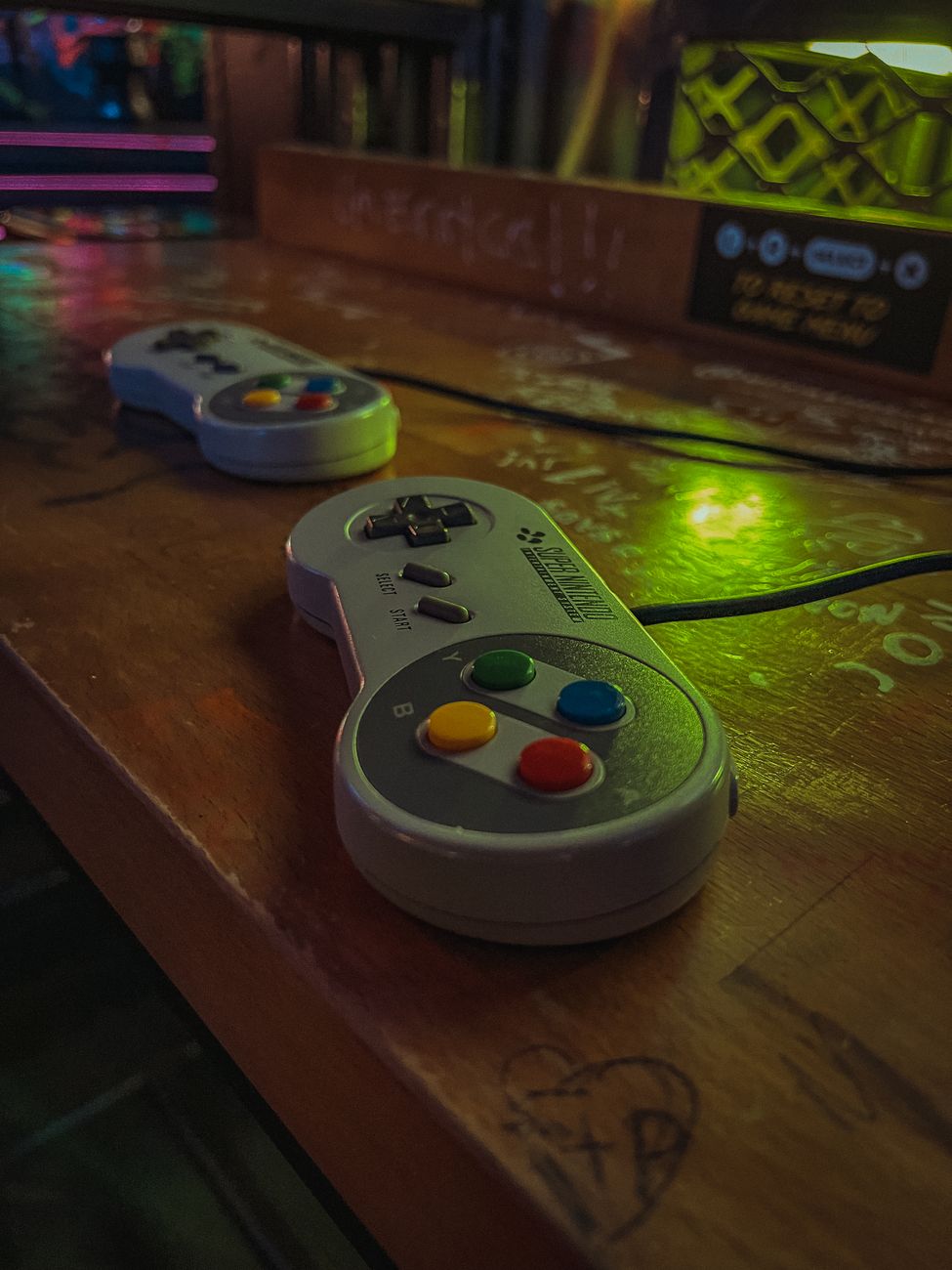
- Super Nintendo Entertainment System: Frogger (1998)
- SEGA Saturn: Magic Knight Rayearth (Nov. 30, 1998)
- Game Boy: Pokemon Yellow Version: Special Pikachu Edition (Oct. 18, 1999)
- SEGA Dreamcast: NHL 2K2 (Feb. 12, 2002)
- Nintendo 64: Tony Hawk’s Pro Skater 3 (Aug. 20, 2002)
- Game Boy Color: Harry Potter and the Chamber of Secrets (Nov. 15, 2002)
- PlayStation: FIFA Soccer 2005 (Oct. 12, 2004)
- GameCube: Madden NFL 08 (Aug. 14, 2007)
- Game Boy Advance: Disney High School Musical: Livin’ the Dream (Nov. 15, 2007)
- Xbox: Madden NFL 09 (Aug. 12, 2008)
- PlayStation 2: FIFA 14 (Sept. 24, 2013)
- PlayStation Portable: StreetKix: Freestyle (Jan. 7, 2014)*
- Nintendo DS: Disney Big Hero 6: Battle in the Bay (Oct. 28, 2014)
- Xbox 360: Just Dance 2019 (Oct. 23, 2018)
- Wii: Just Dance 2020 (Nov. 5, 2019)
- PlayStation 3: Shakedown: Hawaii (Aug. 20, 2020)
- Wii U: Shakedown: Hawaii (Aug. 20, 2020)**
- Nintendo 3DS: Andro Dunos 2 (March 10, 2022)**
*denotes game was the final original release. Localized and indie releases continued past Jan. 2014.
**denotes game was final physical release for the console.
Leave a Reply