With the 2026 World Baseball Classic underway and the MLB season right around the corner, here’s a look at some history behind the league’s current stadiums.
It’s that time of the year when the sports calendar appears to be moving at lightning speed – the 2026 Winter Olympics have wrapped up, NBA and NHL teams are entering their final stretch before the postseason while MLB action starts in just a few weeks.
Thanks to spring training and the 2026 World Baseball Classic, fans of America’s pastime are already getting locked in for what should be another riveting season – and a pivotal one ahead of what many assume to be a lengthy lockout in 2027.
Such a big part of enjoying an MLB season is getting to watch games in-person, with each stadium bringing a unique gameday experience in a way that the other professional sports leagues simply aren’t able to.
In baseball, the history of teams is more explicitly linked with their home stadium than it is in any other sport, with locations such as Fenway Park, Wrigley Field and Dodger Stadium wholly synonymous with the sport’s illustrious history over its generations of prevalence in North America.
For many of the famous stadiums of MLB’s past, the name alone invokes some of the sport’s most consequential moments, with locations like Ebbets Field, Polo Grounds and Shibe Park universally revered among the sport’s fans, even generations after their closures and demolitions.
While places like the aforementioned Fenway Park and Wrigley Field have made a legacy out of their name alone, that hasn’t been the case for many stadiums in an era of corporate naming rights that truly took off in the 1990’s.
As of the start of the 2026 season, 14 of the league’s 30 MLB stadiums have previously gone under a different name while serving as the home of an MLB team – making some locations perhaps a bit less tied to their name than the most famous stadiums of yesteryear.
These stadiums also don’t universally follow the conventional wisdom of name changes coinciding with corporate naming rights – as Wrigley Field went under multiple different names early in its lifespan, while the corporate-named PNC Park and Comerica Park have held their names for at least a quarter-century.
This list also will not include Tropicana Field, which was also known as the Florida Suncoast Dome and the Thunderdome before it began hosting home games for the then-Devil Rays in 1998.
With many fans starting to catch baseball fever with sunnier days on the way, here’s a look at all of the current MLB stadiums that have previously gone under different names:
1. American Family Field – Milwaukee Brewers, 2001-present
- Miller Park: 2001-2020
2. Angel Stadium – Los Angeles Angels, 1966-present
- Anaheim Stadium: 1966-1997
- Edison International Field of Anaheim: 1998-2003
3. Chase Field – Arizona Diamondbacks, 1998-present
- Bank One Ballpark: 1998-2005
4. Daikin Park – Houston Astros, 2000-present
- Enron Field: 2000 – February 2002
- Astros Field: February 2002 – July 2002
- Minute Maid Park: July 2002 – 2024
5. Kauffman Stadium – Kansas City Royals, 1973-present
- Royals Stadium: 1973-1993
6. LoanDepot Park – Miami Marlins, 2012-present
- Marlins Park: 2012-2020
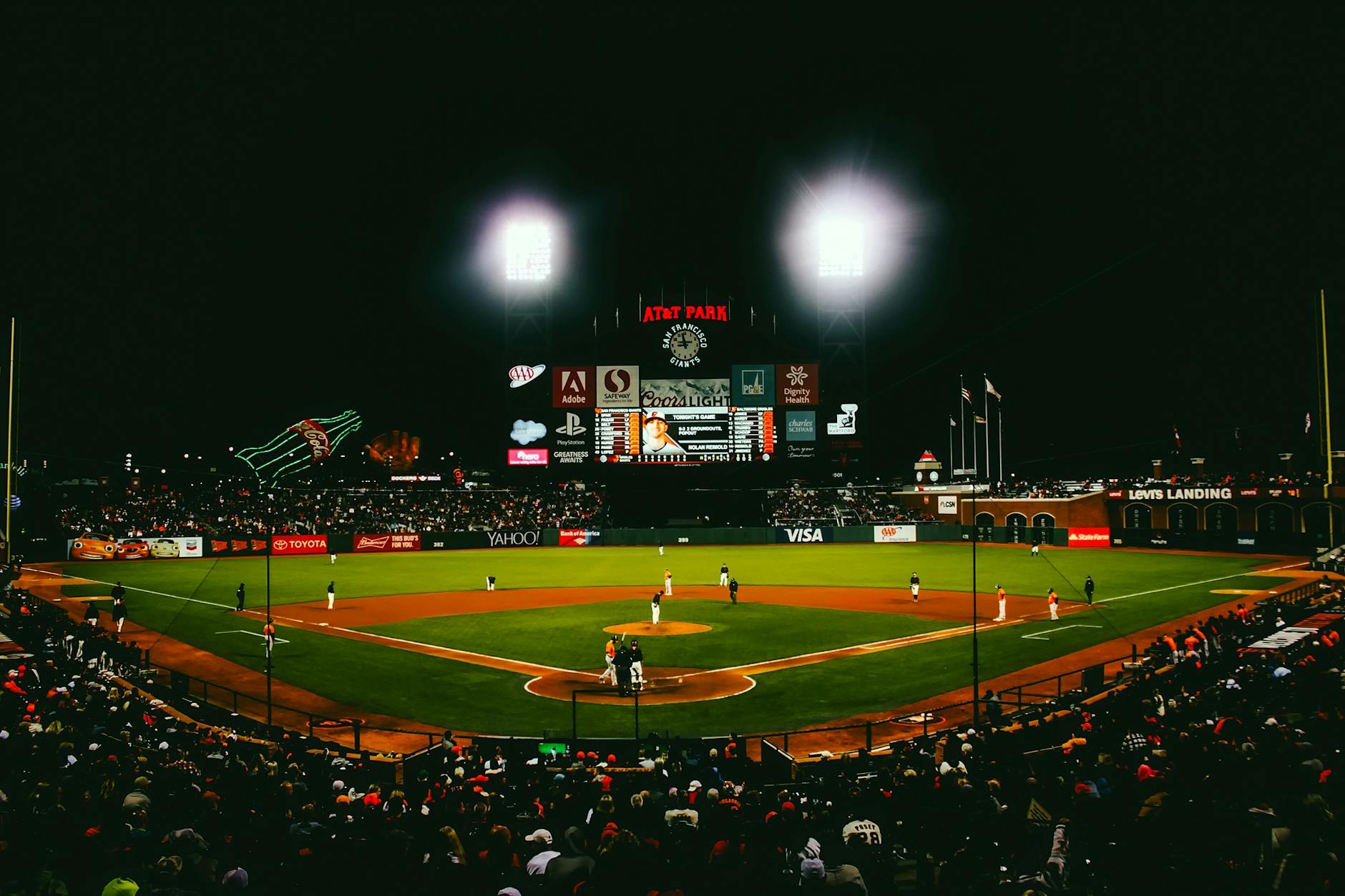
7. Oracle Park – San Francisco Giants, 2000-present
- Pacific Bell Park: 2000-2003
- SBC Park: 2004-2005
- AT&T Park: 2006-2018
8. Progressive Field – Cleveland Guardians, 1994-present
- Jacobs Field: 1994-2007
9. Rate Field – Chicago White Sox, 1991-present
- Comiskey Park II: 1991-2002
- US Cellular Field: 2003-2016
- Guaranteed Rate Field: 2017-2024
10. Rogers Centre – Toronto Blue Jays, 1989-present
- SkyDome: 1989-2005
11. Sutter Health Park – Athletics, 2025-present
- Raley Field: 2000-2019
12. T-Mobile Park – Seattle Mariners, 1999-present
- Safeco Field: 1999-2018
13. Truist Park – Atlanta Braves, 2017-present
- SunTrust Park: 2017-2020
14. Wrigley Field – Chicago Cubs, 1914-present
- Weeghman Park: 1914-1920
- Cubs Park: 1920-1926
Leave a Reply