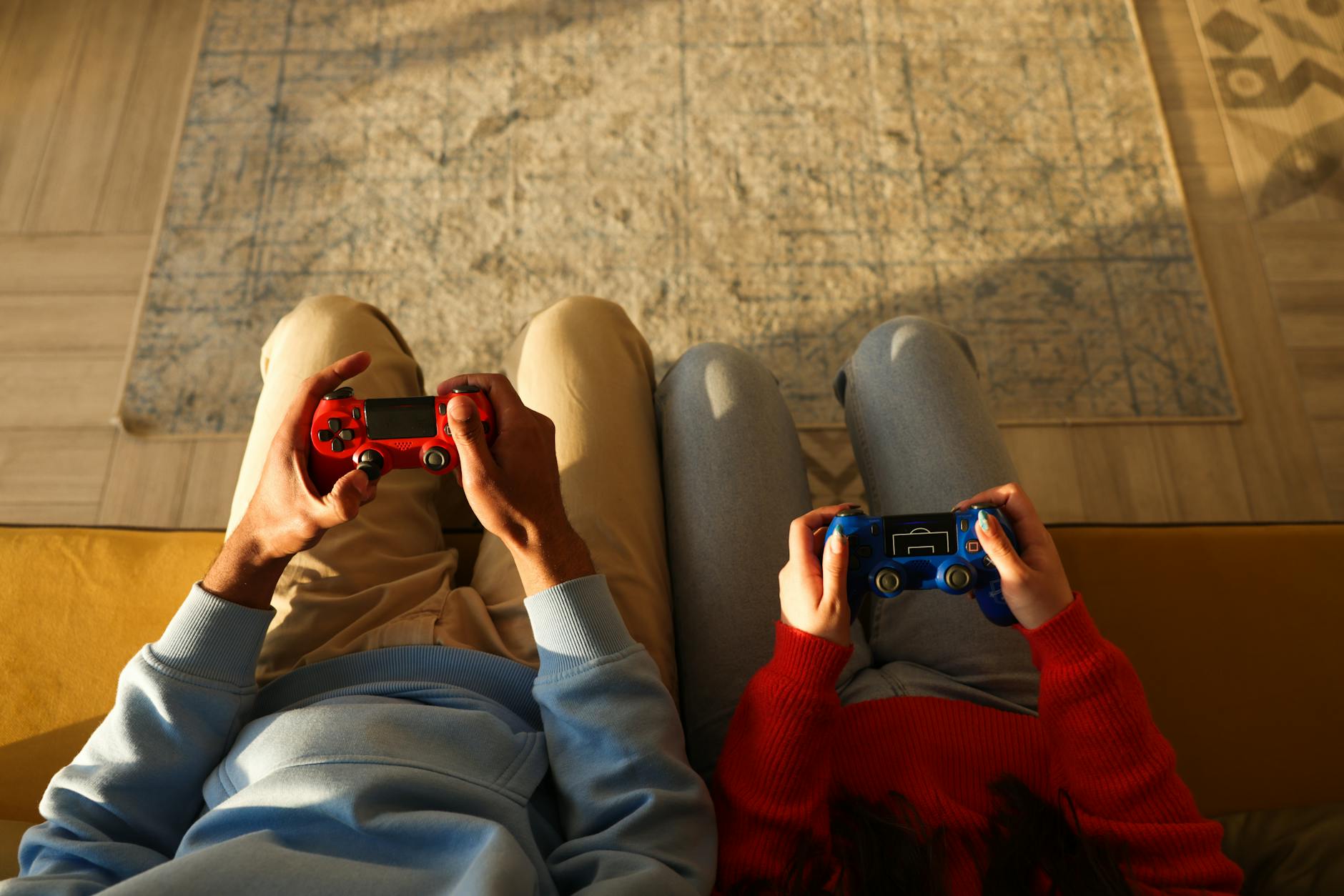
With multiplayer games taking place predominantly online and high-budget games geared towards single players, simply playing video games with a group of friends feels like a relic of a past.
Just last week as my wife and I were looking to get started in a video game we hadn’t played in a long time, we finally decided to undergo the chore of setting up our Rock Band instruments to revisit the rhythm game series that created a cultural moment in the late 2000’s.
Needless to say, it’s been a blast. Along with the expected dose of nostalgia, the cooperative nature to the World Tour mode and large amount of options within each gig played create a fun, jubilant atmosphere that often feels missing when gaming by yourself.
Revisiting Rock Band in 2026 brings back a flood of memories from the late 2000’s, which were unquestionably the peak of the rhythm game genre. While Guitar Hero games did some heavy lifting in establishing the genre, it was the Rock Band games that added a fresh element to the concept, taking what was a two-player guitar-and-bass only experience into a full four-person band.
It was easy to remember the hours spent playing both Guitar Hero and Rock Band games with friends and family, but what honestly stuck out more during our recent sessions of playing the game is just how much that experience has faded away from gaming culture as a whole.
While it was of course predominantly single-player video games like Super Mario Bros. and The Legend of Zelda that brought gaming from the arcade to the living room, there was still an inherently cooperative nature surrounding gaming at the time – with countless gamers taking turns with siblings and/or friends as they tried to complete a new adventure for the first time.
Even with the decidedly single-player nature of Super Mario games, two-player modes remained available through the 1991 release of Super Mario World, with the fourth generation and SNES also introducing the Mario Kart series.
The communal in-person gaming experience perhaps saw its first big boom in the late 1990’s, with the release of the Nintendo 64 and Sony PlayStation. The N64 garnered plenty of attention for being the first system to include four controller ports, doubling the capacity of its predecessors and competitors. This also led to the creation of a four-port adapter for the PlayStation, allowing for extended multiplayer action on certain titles.
The Nintendo 64 became a Friday night hero with Mario Kart 64 and GoldenEye 007 both emerging as party staples, with the introduction of the Mario Party and Super Smash Bros. series’ further cementing the console’s status as a must-have for gamers who casually play with friends.
While the sixth generation of video game consoles saw a decisive shift towards high-budget, graphically impressive adventure games on the PlayStation 2 and Xbox, the casual, communal gaming experience was not forgotten.
This is around the time when rhythm games began to pick up steam as a fun option to play with friends, with Dance Dance Revolution games providing a physically active twist to gaming along with having a way to involve friends and family members who likely wouldn’t sit down to play a traditional video game.
As Nintendo continued to churn out multiplayer gems in more installments to the Mario Party and Mario Kart series’, the 2001 release of Super Smash Bros. Melee was a landmark title for the system, with a competitive multiplayer legacy and community that persists a quarter century later.
While all of these titles were commonly played by groups of friends and families throughout the early portion of the decade, in-person communal gaming perhaps reached its peak in the mid-to-late 2000’s – both at the height of the rhythm game genre and before online play took over the multiplayer gaming experience.
Of course in addition to Guitar Hero and Rock Band was the multiplayer title that changed it all, serving as the killer app for a console while establishing itself as a cultural mainstay for years. That, of course, being Wii Sports.
The release of Wii Sports created a brief period of around two-to-three years where the most popular video games were likely the ones you would play with friends or family while sitting on the couch together.
Perhaps the last blockbuster release of this era came in November 2009, when Nintendo dropped New Super Mario Bros. Wii, which rejuvenated sales of the console and brought the universally familiar 2D Mario experience to a multiplayer setting, with up to four players able to complete a level at the same time.
As the decade concluded, the industry began to shift away from the norms that were established in the mid-to-late 2000’s. Many third-party developers appeared to grow out of the unconventional motion controls of the Wii, while the Guitar Hero and Rock Band series both faded in popularity and cultural relevance by the early 2010’s.
While Mario Kart, Mario Party and Super Smash Bros. continue to sell incredibly well and hold a high degree of popularity to this day, the advent of online gaming has brought the fun from the couch to the Wi-Fi router for many younger players – which perhaps always would have been the case if the technology existed in the late 1990’s.
Meanwhile, AAA developers became increasingly focused on incredibly detailed, immersive single-player adventures. The landmark releases of The Elder Scrolls V: Skyrim, Fallout: New Vegas, Grand Theft Auto V and The Witcher 3: Wild Hunt in the first half of the 2010’s proved to be a decisive shift for the industry, with a much higher emphasis placed on escapism and artistry than what was ever seen before.
In many ways, this is simply a natural progression of the gaming industry, as well as a further legitimization of the medium as an art form – a concept that would have been almost universally laughed at 15 years ago. While I’ve repeatedly stated my qualms with the way modern video games are sold, purchased and used, complaining about the product itself feels quite uninformed at best – gamers have the chance to experience a product that took thousands of hours of work from large teams over the course of several years.
For many others, gaming in general just doesn’t need to be that deep, but rather something that’s just easy to pick up and have fun with. Perhaps that mantra and sentiment is what fueled the massive popularity that Fortnite and PUBG: Battlegrounds received in the late 2010’s – easy to learn games that can be played on just about any console at any time for free.
Many young gamers likely don’t feel like they’re lacking in community surrounding the games they love, with Twitch streams and Discord channels existing for just about any game new and old to immerse oneselves in. Yet there’s still something to be said about the genuine fun to be had and memories to be made by just sitting on the couch with a friend or loved one and experiencing a game together.
When video games first entered the living room in the mid-1980’s, this is what was envisioned. It’s why it was called the “Nintendo Entertainment System.” It’s a means to be entertained in a familial, communal setting.
There may not ever be another moment in the gaming world where the most popular game is one that players are enjoying predominantly in group settings in their living rooms, but it’s worth noting that nobody is robbing you of that experience. The larger culture of gaming may have moved on, but ultimately video games and all forms of media are simply what you make of them. It is you who interprets and enjoys whatever you’re consuming, and saving your progress to your personal memories in addition to your save file is what makes gaming worth it.
Leave a Reply