In part two of a series revisiting the first 25 Super Bowls of the 21st century, I take a look back at matchups that were both riveting and perhaps just a little forgettable.
Super Bowl LX is less than two weeks away, with fans of the New England Patriots and Seattle Seahawks hoping their team adds some more hardware to the collection in the most anticipated sporting event of the year.
With this season’s Super Bowl being the 26th since the 2000 season, I thought it would be great to rewind through the first quarter-century of this millennium and the numerous incredible Super Bowls that fans have been treated to.
With that being said, making this list was quite difficult. While there were a handful of blowout games that never reached a true point of intensity, most Super Bowls since Y2K have been incredibly entertaining, as I encountered a lot of difficulty trying to rank the top 14 games specificially.
After covering the recent Super Bowl blowouts in part one of this series, the games that ranked in the 16th through 20th spots had plenty of moments of excitement and were close games most of the way through – they just pale in comparison to the several matchups that have truly gone down to the wire.
Here’s how the second part of this series shakes out, with a look at the 16th through 20th best Super Bowls of the 21st century so far:
20. Super Bowl 50: Denver Broncos 24, Carolina Panthers 10 (2015)
The landmark Super Bowl 50, this game was known for being the lone Super Bowl that mostly strayed away from Roman numerals in promotional materials, as the league clearly wanted to emphasize the significance of the Super Bowl’s existence over a half-century.
The game itself, played at Levi’s Stadium in Santa Clara, California, didn’t quite live up to the grandiosity of the 50th Super Bowl, being a close but mostly forgettable game headlined by MVP quarterback Cam Newton while also being the final game of Peyton Manning’s career.
Both teams entered the game with a top-six defense, while the Panthers finished the regular season with a 15-1 record and the best offense in the league. That certainly didn’t show early in the game, with Denver striking first on a Brandon McManus field goal before a Cam Newton fumble was recovered in the end zone later in the first quarter to give the Broncos an early 10-0 lead.
The Panthers got their lone touchdown of the game early in the second quarter on a 1-yard run from Jonathan Stewart, with another McManus field goal before the half giving Denver a 13-7 lead at the break.
Offense was hard to come by in the second half, with another McManus field goal providing the only scoring of the third quarter before Carolina answered back with a 39-yard kick from Graham Gano. This put the Panthers back within one score in the late stages of the fourth quarter, but the climax of the game was ultimately a massive mistake from the MVP QB.
With under five minutes left in the game and the Panthers holding the ball at their own 25-yard line, Newton once again lost a fumble on a crucial 3rd & 9 play – and inexplicably did not dive for the football as it was loose, leading to Denver recovering possession. Just over a minute later, a 2-yard touchdown run from C.J. Anderson seemed to all but seal the deal, with a successful two-point conversion giving the Broncos the 24-10 advantage they went on to win the game with.
The Super Bowl was a disaster for Newton, who finished with just 18 completions on 41 attempts for 265 passing yards and an interception, while picking up 45 rushing yards on six carries on the ground.
Though a win for the Broncos, Manning’s last game was not exactly a triumphant performance, with the all-time great completing 13 of 23 pass attempts for 141 passing yards and an interception. Broncos’ linebacker Von Miller was named the Super Bowl MVP, finishing the game with six combined tackles, two forced fumbles and a pass deflection.
19. Super Bowl LIII: New England Patriots 13, Los Angeles Rams 3 (2018)
Often regarded as one of the worst Super Bowls ever, I’d have to imagine several readers were surprised to not see this game in the first part of this series.
Yet if we’re comparing an actual blowout that never felt competitive to a hard-nosed defensive battle that entered the fourth quarter as a tie game, it’s no competition from this sports fan.
The lowest-scoring Super Bowl in NFL history, defenses dominated at Mercedes-Benz Stadium in Atlanta, especially in the first half, with both teams almost entirely neutralized. The only scoring of the first half was supplied from a 42-yard field goal from Stephen Gostkowski, giving the Patriots a 3-0 lead at the break.
Outside of the field goal, the first half included an interception from Tom Brady on the opening possession of the game and a whopping six punts from Johnny Hekker and the Rams as both teams were truly stymied when they had possession of the football.
The fortunes didn’t change much in the second half, with the two clubs exchanging a pair of punts before the Rams finally got on the board, driving to the New England 35-yard line and settling for a 53-yard field goal from kicker Greg Zuerlein with just over two minutes left in the period.
After exchanging punts once again and entering the fourth quarter, Brady and the Patriots finally had a fruitful drive, totaling 67 passing yards on connections to Rob Gronkowski, Julian Edelman and Rex Burkhead. This set up a 2-yard touchdown run from Sony Michel, giving New England a 10-3 lead and converting for the game’s lone touchdown.
The following Rams drive saw young quarterback Jared Goff drive Los Angeles to the Patriots’ 27-yard line, only for a fourth down pass attempt to be picked off in the end zone. Getting the ball back deep in their own territory, a pair of 26-yard runs from Sony Michel and Rex Burkhead helped set the Patriots up for a championship-sealing field goal, with Gostkowski converting from 41 yards out and just 1:16 left in the game.
The Rams ultimately got the ball back and missed a 48-yard field goal on their final possession, sealing a 13-3 victory for the Patriots. Brady finished the game with 21 completions on 35 attempts for 262 passing yards and an interception, while Goff was 19-38 for 229 passing yards and an interception.
New England wide receiver Julian Edelman was named Super Bowl MVP, with 10 catches and 141 receiving yards in addition to one carry for eight yards on the ground.
18. Super Bowl XLI: Indianapolis Colts 29, Chicago Bears 17 (2006)
If this Super Bowl lived up to how exciting the first half was, it would certainly rank quite a bit higher – but what started as a back-and-forth affair at Dolphin Stadium in Miami Gardens finished with the Colts asserting dominance in the late stages of the game.
It’s hard to think of a more energetic, iconic way to start a Super Bowl than the way Devin Hester did in this game, returning the opening kickoff 92 yards for a touchdown amid a sea of camera flashes to give the Bears an early 7-0 advantage.
The Colts responded around the midway point of the first quarter as Peyton Manning connected with Reggie Wayne on a 53-yard home run pass, though a failed extra point kick from Adam Vinatieri left the Bears in the lead at 7-6.
The Bears got their second touchdown of the game on the following drive, with Rex Grossman finding Muhsin Muhammad in the end zone from four yards out, enough to stretch the Bears lead to 14-6, where it remained through the end of the first quarter.
After striking on an Adam Vinatieri field goal early in the second quarter, the Colts took their first lead of the game in the midway stages of the period thanks to a 1-yard touchdown run from Dominic Rhodes, putting Indianapolis ahead 16-14, where the score remained at halftime.
Following Prince’s iconic rain-soaked halftime performance, the Colts began to stretch their lead, with two more field goals from Vinatieri giving Indianapolis a 22-14 advantage late in the third quarter. The Bears did respond on their final drive of the period, with a 44-yard field goal from Robbie Gould putting Chicago back within five points.
Getting the ball back with a chance to take the lead on their first possession of the fourth quarter, hope turned to disaster after Grossman threw a pick six to Kelvin Hayden, who put the Colts up 29-17 on a 56-yard interception return. That’s where the score would stay for the remainder of the game, as Grossman was intercepted yet again on the ensuing possession with the Bears unable to find any more offensive firepower.
Peyton Manning was named Super Bowl MVP, finishing with 25 completions on 38 attempts for 247 passing yards alongside a touchdown pass and interception. Grossman finished having completed 20 of 28 pass attempts, throwing for 165 yards and a touchdown pass with two interceptions.
17. Super Bowl XL: Pittsburgh Steelers 21, Seattle Seahawks 10 (2005)
The year before the Bears and Colts dueled in Miami Gardens, the Steelers and Seahawks faced off in what is still the only Super Bowl to be played at Ford Field in Detroit.
Featuring sophomore Pittsburgh QB Ben Roethlisberger facing off against the 2005 NFL MVP in Seattle running back Shaun Alexander, the stage was set for a high-octane matchup between two of the league’s finest offenses.
Despite featuring two top-10 offenses, it was the defensive units that dominated much of this game, with just a total of 10 points scored in the game’s first half – a 47-yard field goal from Seattle’s Josh Brown late in the first quarter and a 1-yard touchdown run from Roethlisberger just past the two-minute warning of the second quarter.
The Steelers got their moment of the game on their opening possession of the second half, with a 75-yard touchdown run from Willie Parker putting Pittsburgh up 14-3 while seizing the game’s momentum. Seattle did answer back in the midway stages of the third quarter, with QB Matt Hasselbeck locating Jerramy Stevens in the end zone from 16 yards out after a 76-yard interception return from Kelly Herndon, bringing the Seahawks back within four points.
Pittsburgh paved their path to victory in the fourth quarter, primarily thanks to a historic touchdown pass thrown from wide receiver Antwaan Randle El to fellow wide-out Hines Ward from 43 yards out, giving the Steelers a 21-10 lead they wouldn’t relinquish. A relatively low-scoring game, this Super Bowl’s legacy revolves around a handful of major moments in a game that’s otherwise forgettable by championship standards.
Hasselbeck finished with 26 completions on 49 attempts for 273 passing yards alongside a touchdown and an interception, while Roethlisberger completed just nine of 21 pass attempts for 123 passing yards and two interceptions.
Hines Ward, who finished the game with five catches, 123 receiving yards and a touchdown alongside a carry for 18 yards on the ground, was named the Super Bowl MVP.
16. Super Bowl XLV: Green Bay Packers 31, Pittsburgh Steelers 25 (2010)
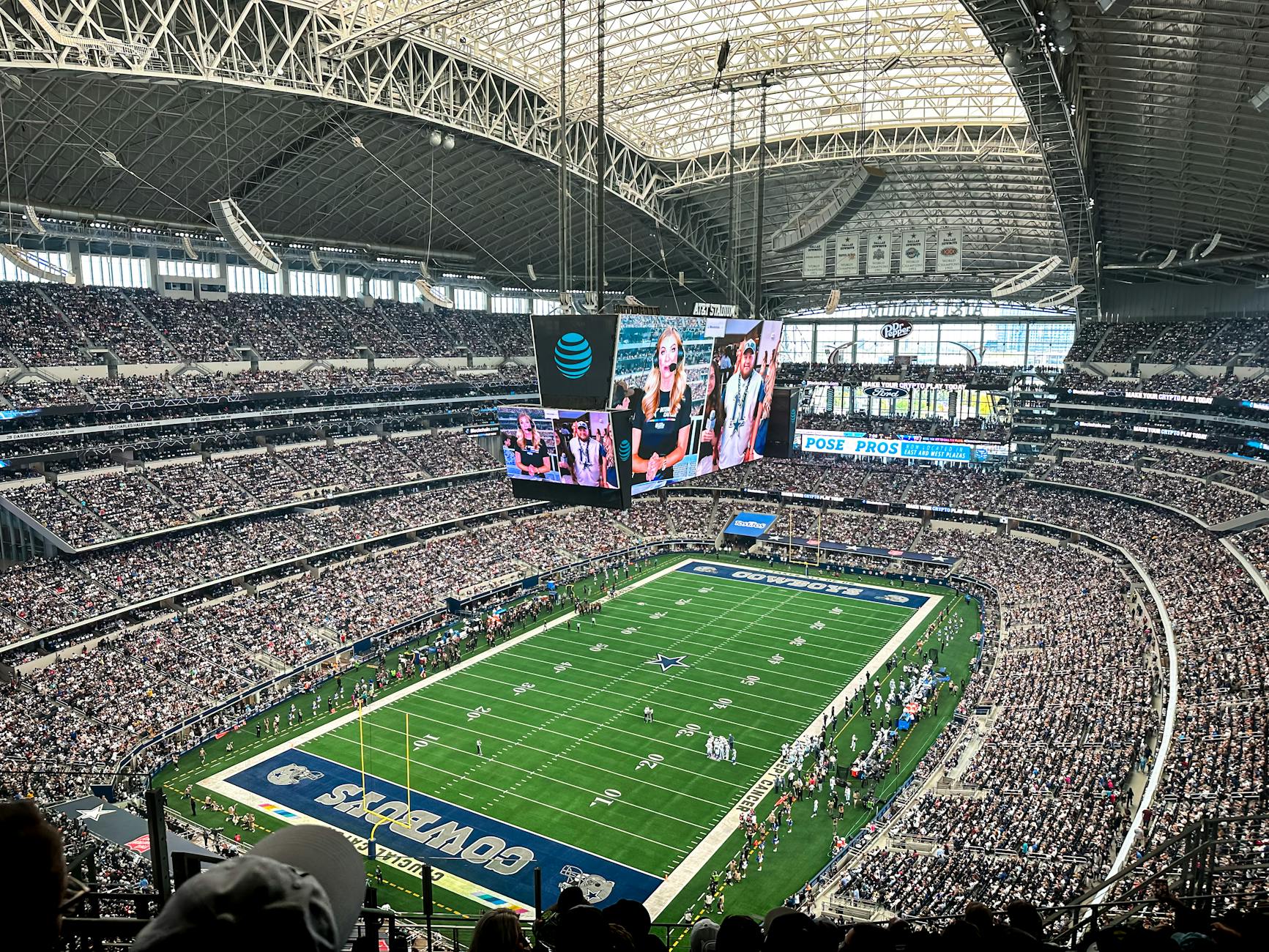
Still the only Super Bowl to be played in the Dallas-Fort Worth area, the 2010 duel between the Packers and Steelers saw two legendary quarterbacks face off in one of the sport’s most grandiose locations.
Though a close final score, the game wasn’t quite as riveting as that may suggest, with Green Bay in the driver’s seat throughout the contest, having never trailed in the game.
The Packers got some first quarter fireworks in a very brief amount of time, following up a 29-yard touchdown pass from Aaron Rodgers to Jordy Nelson with a 37-yard pick six from Nick Collins on the Steelers’ first play from scrimmage on the following possession, giving Green Bay a 14-0 lead in the span of just 24 seconds.
A 33-yard field goal from Shaun Suisham got the Steelers on the board early in the second quarter, yet the Packers once again responded just before the two-minute warning, with Rodgers finding Greg Jennings in the end zone from 21 yards out to give the Packers a 21-3 lead just before halftime.
The Steelers were able to snag a little bit of momentum before the Black Eyed Peas performed, as Ben Roethlisberger found Hines Ward in the end zone from eight yards out to bring the Steelers back within two scores.
After forcing a punt on Green Bay’s opening possession of the second half, the Steelers made things a bit more interesting on a successful drive that was capped off by an 8-yard touchdown run from Rashard Mendenhall, cutting the Packers’ lead to 21-17.
That would be the only score of the third quarter, with Pittsburgh forcing three Packers punts while Suisham missed a 52-yard field goal that would have cut the lead to a single point. The momentum appeared to decisively shift back away from the Steelers after Mendenhall lost a fumble on the first play of the fourth quarter, eventually setting up a Rodgers-to-Greg Jennings touchdown pass that gave the Packers a 28-17 lead.
Roethlisberger and the Steelers answered right back on the following drive, with the Pittsburgh QB totaling 78 passing yards on a drive that ended with a 25-yard touchdown pass to Mike Wallace and a two-point conversion, bringing Pittsburgh back within a field goal.
The Packers got just what they needed on their next drive, burning over five minutes of gametime on a long drive that culminated in a 23-yard field goal from Mason Crosby, giving Green Bay a six-point lead with just over two minutes to go.
Needing a touchdown, Roethlisberger and the Steelers didn’t have enough left in the tank on the final drive, converting on just one first down before turning the ball back over, sealing a 31-26 win for Green Bay.
Aaron Rodgers was named Super Bowl MVP, finishing the game with 24 completions on 39 attempts for 304 passing yards and three touchdowns, while Roethlisberger was 25-40 with 263 passing yards and a pair of both touchdowns and interceptions.
Leave a Reply